 The Nearest Dentists
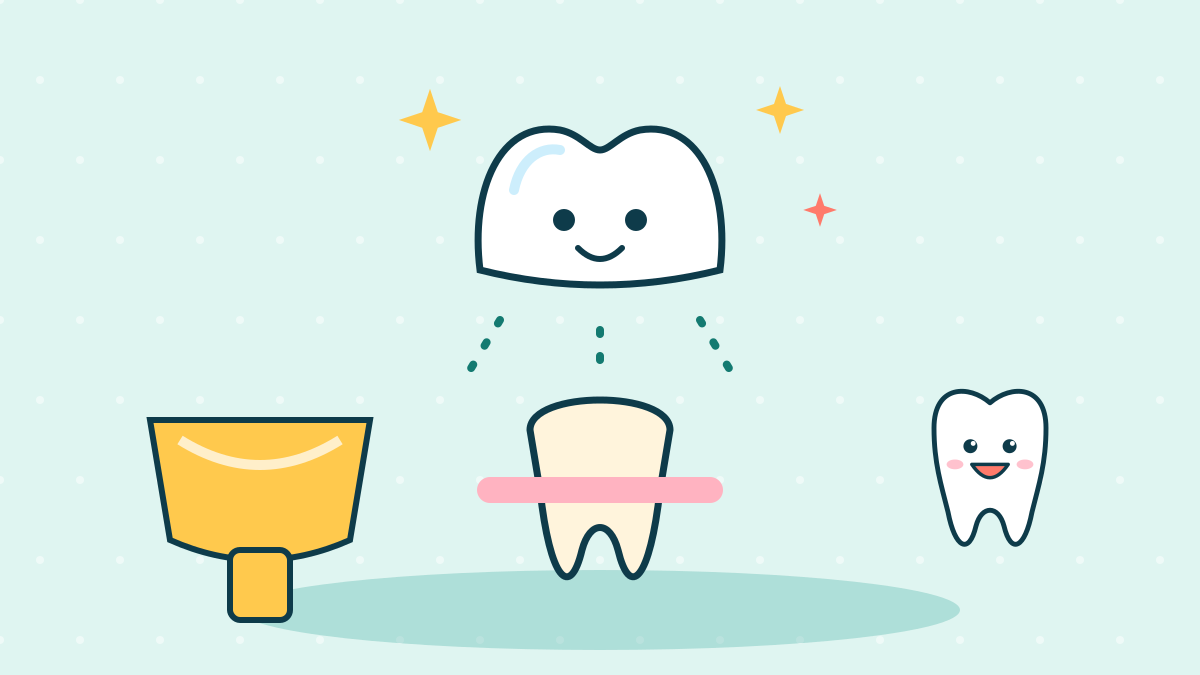
A crown is a cap that covers the whole visible part of a tooth above the gumline. It restores the shape, strength and appearance of a tooth that is too damaged or weakened to be fixed with a filling alone. If your dentist has recommended one, you probably have questions about why, what it will be made of, and what the process looks like. This guide covers the essentials.
Why a crown might be recommended
Crowns are used when a tooth needs protection all the way around rather than a patch in one place. Common reasons include:
- A large filling. When most of a tooth is already filling material, the remaining walls can crack under chewing forces.
- A cracked tooth. A crown can hold a cracked tooth together and reduce flexing, depending on where the crack runs.
- After a root canal. Back teeth that have had root canal treatment are commonly crowned because they often have lost significant structure.
- A broken or badly worn tooth. From grinding, erosion or an accident.
- Covering an implant. The visible tooth on top of a dental implant is a crown.
- Cosmetic reasons. Occasionally, for a badly discoloured or misshapen tooth, though less invasive options such as bonding or veneers may be considered first.
It is fair to ask why a crown is better than a filling or onlay for your particular tooth. Crowns require removing a layer of tooth all the way around, so they are not a minor decision. A good answer will point to specific evidence, such as a crack line, the size of the existing filling, or a missing cusp.
Crown materials
| Material | Appearance | Often used for | Trade-offs |
|---|---|---|---|
| Zirconia | Tooth-coloured; ranges from very strong and opaque to more translucent | Back teeth and increasingly front teeth | Very strong; highly translucent versions trade some strength for looks |
| Lithium disilicate and other glass ceramics | Natural translucency | Front teeth and premolars | Excellent aesthetics; bonded to the tooth |
| Porcelain fused to metal | Tooth-coloured outside, metal inside | Anywhere; long track record | A dark line can show at the gumline if gums recede; porcelain can chip |
| Gold and other metal alloys | Metallic | Back teeth with heavy bite forces | Very durable and kind to opposing teeth; less popular for looks |
Your dentist will factor in which tooth it is, how much space there is, whether you grind, how visible the tooth is when you smile, and cost. Material choices can affect insurance coverage, so ask for an estimate for the option recommended.
The process, step by step
1. Examination and planning. The dentist checks the tooth and usually takes an X-ray to make sure the root and surrounding bone are healthy. If there is deep decay or infection, that must be dealt with first, which may mean a root canal.
2. Preparing the tooth. After numbing, the dentist removes decay and old filling material, then reduces the outer surface of the tooth evenly so the crown will fit over it without being bulky. If too little tooth remains, a "core buildup" of filling material may be placed to create a solid foundation.
3. Taking an impression or scan. A mould is taken with impression material in a tray, or the tooth is scanned with a small digital camera. This records the exact shape so the crown fits precisely. The shade of neighbouring teeth is matched for tooth-coloured crowns.
4a. Same-day crowns. Some practices have in-office milling machines that carve a ceramic crown from a block while you wait, allowing the whole process in one longer visit.
4b. Temporary crown. Otherwise, a temporary crown made of acrylic or composite is cemented with a weaker cement while a dental laboratory makes the final crown, which commonly takes a couple of weeks.
5. Fitting the final crown. The temporary is removed, and the dentist checks the fit, contacts with neighbouring teeth, bite and colour before permanently cementing or bonding the crown.
Living with a temporary crown
- Chew mostly on the other side, and avoid sticky foods such as caramel and chewing gum.
- When flossing, slide the floss out sideways rather than pulling it up, so you do not lift the temporary.
- If it comes off, keep it, and call your dentist; the prepared tooth can be sensitive and can shift if left uncovered.
- Some sensitivity to temperature is normal while the temporary is on.
Caring for your crown
A crown itself cannot decay, but the tooth underneath can, especially at the edge where the crown meets the tooth. That margin is where plaque likes to settle. Brush carefully along the gumline, clean between teeth daily, and keep up regular checkups so the dentist can check the margins on X-rays.
Crowns can last many years, but lifespan varies with the material, how well the tooth is cared for, and habits like grinding, chewing ice or opening packages with your teeth. If you grind at night, a night guard can protect both crowns and natural teeth.
Warning signs after a crown
A little gum tenderness and some temperature sensitivity for a few days are common. Contact your dentist if your bite feels uneven, if the crown feels loose, if you notice a sharp edge, or if you develop pain when biting, lingering pain or swelling. Occasionally the nerve in a crowned tooth becomes inflamed and needs further treatment, so persistent symptoms should be checked rather than ignored.
Frequently asked questions
Does getting a crown hurt?
The tooth is numbed during preparation, so most people feel pressure rather than pain. Some tenderness and sensitivity for a few days afterwards is common.
How long does the whole crown process take?
Same-day crowns can be finished in one visit. Lab-made crowns usually involve two visits, often a couple of weeks apart.
Can a tooth with a crown still get a cavity?
Yes. Decay can form where the crown meets the natural tooth, so brushing along the gumline and cleaning between teeth still matter.
Is a crown always needed after a root canal?
Back teeth usually are crowned after a root canal because they bear heavy forces. Front teeth sometimes are not. Your dentist will advise based on how much tooth remains.