 The Nearest Dentists
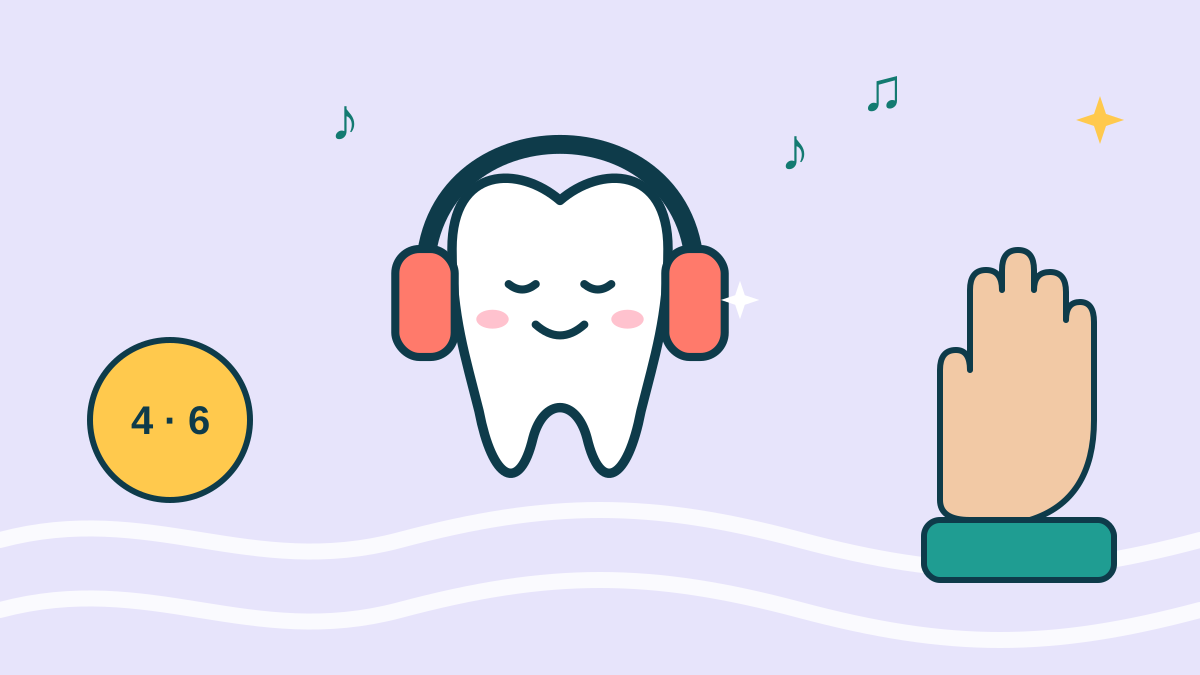
If the thought of a dental appointment makes your stomach knot, you are far from alone. Dental anxiety ranges from mild unease to a fear strong enough that people avoid care for years. The trouble is that avoidance can let small problems grow, which can lead to more complex treatment, which feeds the fear. The good news is that there are many practical ways to break the cycle, and dental teams are used to helping nervous patients.
This article offers general coping strategies. If anxiety is severe or affects many areas of your life, a doctor or mental health professional can offer support, including therapies designed for specific fears.
Where dental anxiety comes from
Common roots include a painful or frightening experience in the past, particularly in childhood; fear of needles or of gagging; embarrassment about the state of your teeth; feeling out of control while lying back with someone working in your mouth; and sensory triggers such as the sound of the drill or the smell of the office. Knowing your own triggers is useful, because each one has different fixes.
Tell the team, early and specifically
The single most helpful step is also the simplest: tell the practice you are anxious, preferably when you book. A good team will build in extra time, explain what they are doing and check in with you more often. Being specific helps: "I'm fine with cleanings but panic about injections" or "I gag easily" gives them something concrete to plan around.
If you are embarrassed about not having been in a long time, it may help to know that dental teams see this frequently. Their job is to help from wherever you are starting, not to judge how you got there.
Things you can ask for
- A hand signal, like raising your left hand, that means "please stop," and a promise they will pause.
- A "tell-show-do" approach: explain each step, show the instrument, then start.
- Numbing gel before any injection, and a slow, gentle injection.
- Short breaks during longer procedures to close your mouth and stretch your jaw.
- Permission to wear headphones or earbuds with your own music or podcast.
- Sunglasses to reduce the glare of the overhead light.
- A first appointment that is just a conversation, with no treatment.
- The first appointment of the day, so you are not sitting in the waiting room worrying.
Coping techniques you can practise
Slow breathing. Anxiety speeds up breathing, which can make you feel lightheaded and more panicky. Try breathing in through your nose for a count of four and out slowly for a count of six. Practise at home so it feels automatic in the chair.
Muscle release. Notice where you hold tension, often the shoulders, hands and feet. Deliberately tense a muscle group for a few seconds, then let it go. Wiggling your toes is an easy, invisible way to stay grounded.
Distraction. Music, an audiobook or a podcast gives your brain something else to follow. Some people count ceiling tiles or mentally plan a route they know well.
Gag reflex tips. Breathe through your nose, keep your feet moving, and ask the team to work from front to back or to keep the chair a little more upright. Some people find humming quietly helps.
Bring support. Ask whether a friend or family member can come with you, at least into the waiting area.
Start small and build up
If it has been a long time, you do not have to tackle everything at once. Many people find it easier to start with a consultation and an exam, then a cleaning, then any needed treatment, each visit building confidence. Ask your dentist to prioritise what is urgent and schedule the rest in manageable steps. Treating the most painful problem first can also make the next visits feel less loaded.
Sedation options
For some people, techniques alone are not enough. Dentists may offer different levels of sedation, depending on their training and local regulations:
- Nitrous oxide ("laughing gas"), breathed through a small nose mask, produces a relaxed feeling and wears off quickly after the mask is removed.
- Oral sedation, a prescribed tablet taken before the appointment, makes you drowsy but usually still able to respond. You will need someone to drive you home.
- IV sedation, given through a vein by a dentist with appropriate training and permits, produces deeper relaxation.
- General anaesthesia, where you are fully asleep, is used in specific situations and requires an appropriately trained team and setting.
Sedation has benefits and risks, depends on your medical history, and may carry extra costs that insurance does not always cover. Discuss the options and your health conditions and medicines in detail with your dentist before deciding.
After the appointment
Notice what went better than you feared, and tell the team what helped so they can repeat it next time. Book your next visit before you leave, while the experience is fresh; waiting until later gives anxiety room to grow. Over time, regular visits usually mean shorter, simpler appointments, which is one of the most effective ways to make dental care feel less daunting.
Frequently asked questions
Is dental anxiety common?
Yes. Many people feel some level of anxiety about dental visits, and dental teams regularly adapt care for nervous patients.
Can I ask the dentist to stop during treatment?
Yes. Agree on a hand signal beforehand that means pause, and the team can stop when you raise it.
Will I be able to drive after sedation?
After nitrous oxide many people can drive once it wears off, but oral or IV sedation usually requires someone else to drive you. Follow your dentist's instructions.
What if I have not seen a dentist in years?
Start with a consultation and exam, explain your worries, and ask the dentist to prioritise treatment into manageable steps.