 The Nearest Dentists
Brushing and cleaning between your teeth are the foundation of dental health. They remove plaque, the sticky film of bacteria behind both cavities and gum disease. Most people brush every day, yet many still miss the same spots, press too hard or skip between-teeth cleaning entirely. A few adjustments can make your daily routine far more effective without taking much more time.
The basics: how often and how long
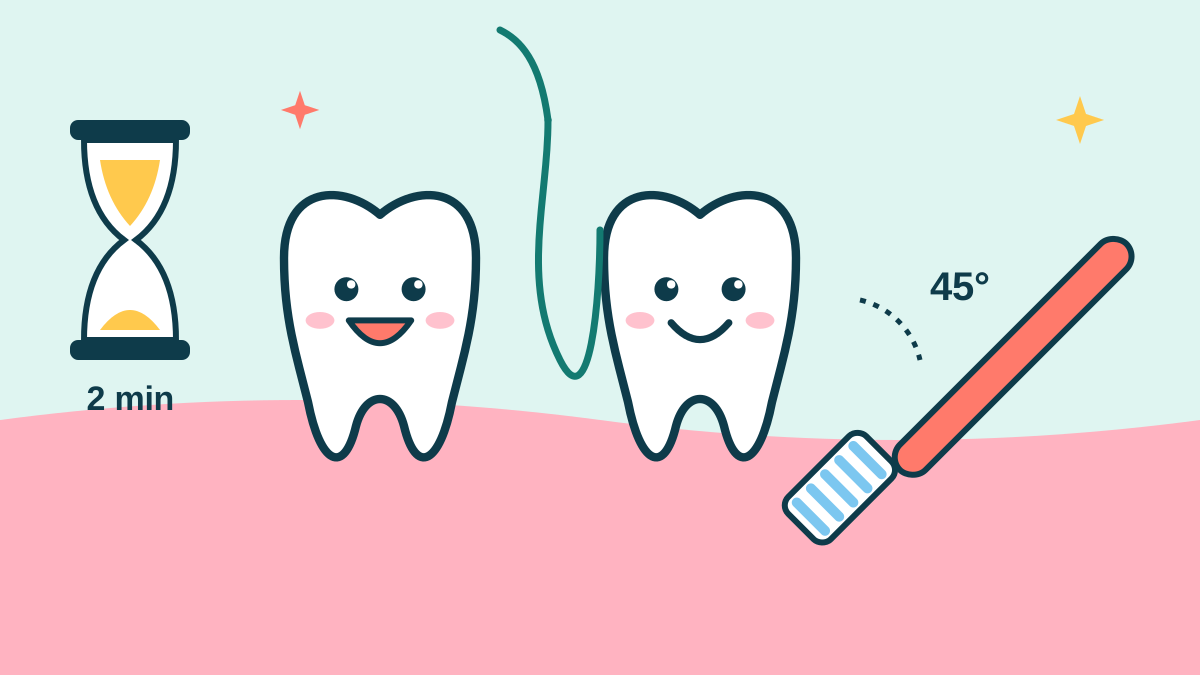
Dental organisations recommend brushing twice a day for about two minutes each time, using a fluoride toothpaste, and cleaning between your teeth once a day. Two minutes feels longer than you think; many people brush for well under a minute. A phone timer, a song or an electric toothbrush with a built-in timer helps.
Brushing before bed is especially important, because saliva flow drops during sleep and bacteria have hours to work undisturbed.
Brushing technique, step by step
- Angle the bristles at about 45 degrees toward the gumline. Plaque collects where the tooth meets the gum.
- Use gentle, short strokes or small circles, moving the brush a tooth or two at a time. With an electric brush, guide the head slowly from tooth to tooth and let it do the work.
- Cover every surface: the outer (cheek) side, the inner (tongue) side and the chewing surfaces. Tilt the brush vertically to clean the backs of the front teeth.
- Follow a route. Start in the same place every time, for example upper right outer surfaces, and work around the mouth so you do not skip areas.
- Brush your tongue gently, or use a tongue scraper, to reduce bacteria and freshen breath.
- Spit, do not rinse. Spitting out excess toothpaste but not rinsing with water leaves a little fluoride on your teeth to keep working.
Scrubbing hard does not clean better. Excessive force, especially with a medium or hard brush, can wear enamel near the gumline and contribute to gum recession. Most people do best with a soft-bristled brush. If your bristles flatten and splay within weeks, you are probably pressing too hard.
Choosing your tools
Manual or electric? Both can clean well with good technique. Powered brushes, particularly oscillating-rotating types, have been shown in research reviews to reduce plaque and gingivitis a bit more than manual brushing on average, and they can make it easier for people with limited dexterity, braces or arthritis. The best brush is one you will use properly twice a day.
Toothpaste. Choose one with fluoride. Look for the ADA Seal of Acceptance if you are in the US, which indicates the product's claims have been evaluated. Specialised pastes exist for sensitivity, tartar control or gum health; ask your dentist whether one suits you.
Replacement. Change your toothbrush or brush head every three to four months, or sooner if the bristles are frayed, and after an illness if you prefer.
| Tool | Best for | Tips |
|---|---|---|
| String floss | Tight contacts between teeth | Curve into a C-shape around each tooth and slide gently under the gumline |
| Floss picks | People who find wrapping floss awkward | Use a clean section for each space if possible; same C-shape motion |
| Interdental brushes | Larger gaps, gum recession, bridges, braces | Pick a size that fits snugly without forcing; your hygienist can size them |
| Water flosser | Braces, implants, bridges, limited dexterity | Aim at the gumline and pause between each tooth; can complement other tools |
How to floss properly
Break off roughly 45 centimetres (about 18 inches) of floss and wind most of it around one middle finger, and a little around the other. Hold a short section tightly between thumbs and index fingers. Slide it gently between two teeth using a back-and-forth motion; do not snap it into the gum. Curve the floss into a C-shape around one tooth and move it up and down, going slightly below the gumline. Then curve it around the neighbouring tooth and repeat. Unwind a fresh section as you move along, and do not forget the back side of the last tooth in each row.
Gums that are not used to flossing may bleed for the first week or two. That usually settles as inflammation improves. If bleeding continues beyond a couple of weeks, mention it to your dentist or hygienist.
Timing does not matter much. Some people prefer cleaning between teeth before brushing so fluoride toothpaste reaches the freshly cleared spaces; the key is doing it once a day, every day.
Habits that support your routine
- Keep sugary and acidic snacks and drinks to mealtimes rather than sipping or grazing all day.
- After acidic food or drink, wait a little before brushing and rinse with water in the meantime.
- Drink water through the day, ideally fluoridated tap water where available.
- Chewing sugar-free gum after meals can boost saliva flow.
- Do not use your teeth as tools to open packets or bottles.
- Keep regular dental checkups and ask your hygienist to point out spots you miss.
Special situations
Braces. Food traps easily around brackets. Use a brush angled above and below the brackets, and consider interdental brushes, floss threaders or a water flosser. Your orthodontist can show you specific techniques.
Sensitive teeth. Use a soft brush and gentle pressure, and try a toothpaste made for sensitivity, used consistently for a few weeks. Sudden or sharp sensitivity in one tooth can signal a cavity or crack, so get it checked.
Dry mouth. Many medications reduce saliva, which raises cavity risk. Sip water, avoid sugary lozenges and ask your dentist about higher-fluoride products.
Frequently asked questions
Should I brush before or after breakfast?
Either can work. If you brush after acidic foods or drinks, it may help to rinse with water and wait a little first. The most important thing is brushing twice daily.
Is an electric toothbrush better than a manual one?
Both can be effective. Some studies show powered brushes remove slightly more plaque on average, and they can be easier for people with braces or limited dexterity.
Why do my gums bleed when I floss?
Bleeding often signals gum inflammation. It usually improves within one or two weeks of daily cleaning; see your dentist if it does not.
Should I rinse after brushing?
Spitting out excess toothpaste without rinsing leaves more fluoride on your teeth, which can help protect them.